
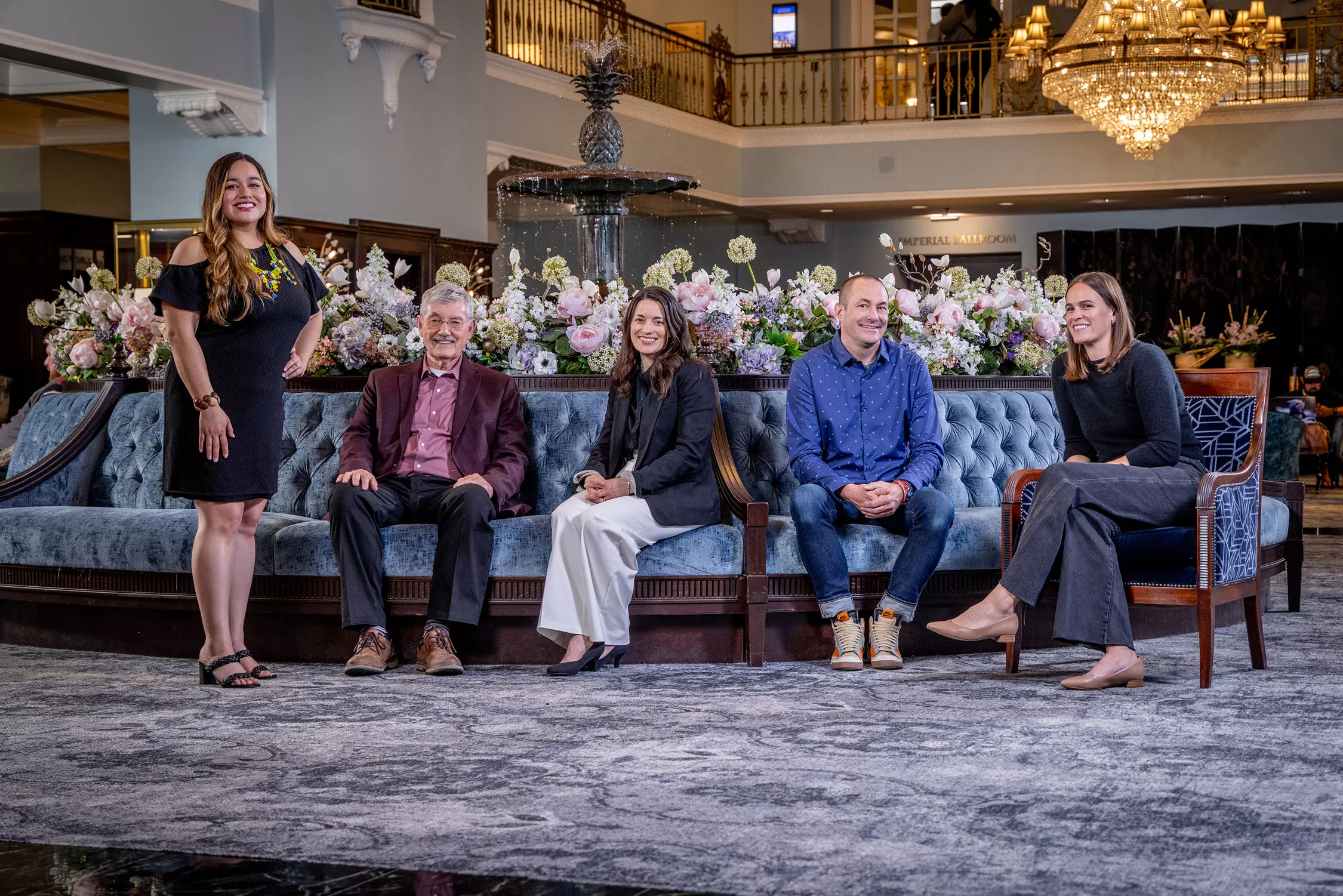
Pictured: (left to right) Nadine Rios-Rivas; John Allegretti, FAIA, LEED AP BD+C; Carly Camardo Drenth, AIA, LEED AP B+C; Jeff Klymson, OAA, AIA, NCARB; Anna Pettinga, AIA
Architecture is an art and a science. It has movements and styles; it has the ability to capture great aspirations and deliver the simple unexpected moments in life. There are great theoretical ideations and innovative practical applications, iconic landmarks and feats of ingenuity that inspire, found throughout the field and its history—but perhaps the most profound thing about architecture is that at its core, it speaks to that which is most fundamental about life and living: creating place, shelter, and belonging. It is a great tool, inherent with responsibility and creativity, that at the end of the day impacts lives.
In this issue, Great Lakes By Design Magazine had the opportunity to speak with a few architects in the region who found inspiration in the field, in helping others, and in the artistic expression, and learned more about their passion for the profession, challenges and opportunities in the industry, and their hope for the future of architecture.

Pictured: Anna Pettinga, AIA | Photography: Michael Buck, M-Buck Studio, LLC
To Anna Pettinga, AIA, material and process are part of the connective tissue of the built world. It is in the curation of thought and form, of history and place, that a better designed world can take shape. For her, those connections extend beyond walls to the natural landscape, like in how interior spaces and the outside world can speak to one another, or how the materials used can create space and curate the experiences and the stories shared within them. Pettinga has a trained eye for art and views the architectural world very much like an artist, recognizing patterns and threads of process, of material, of culture, and of client needs that ultimately coalesce into a living tapestry intentionally designed to be just a little bit better than what came before it.
To Carly Camardo Drenth, details can often make or break a building. Details are instrumental in building relationships with clients, and that collaboration is an integral part of gathering information from co-creators—clients, consultants, and contractors. Curiosity throughout the process is also a key element to her to seek creative solutions that push the material envelope. In her role as Senior Project Architect at Integrated Architecture, Carly is no stranger to the details and the often complex series of information needed to bring a project to fruition, serving as a facilitator in that distillation point—collector, curator, and translator—delegating tasks and relaying those details to team members to ensure each project meets the needs of clients and communities.
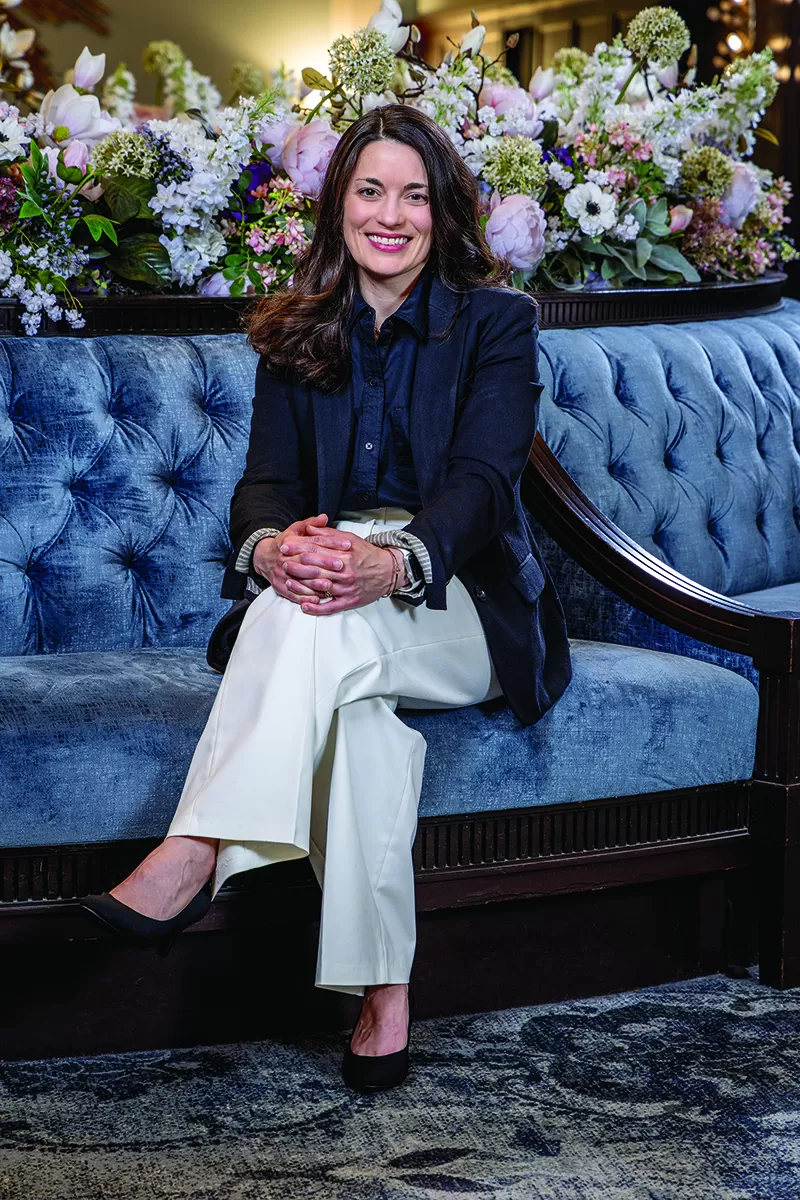
Pictured: Carly Camardo Drenth, AIA, LEED AP B+C | Photography: Michael Buck, M-Buck Studio, LLC
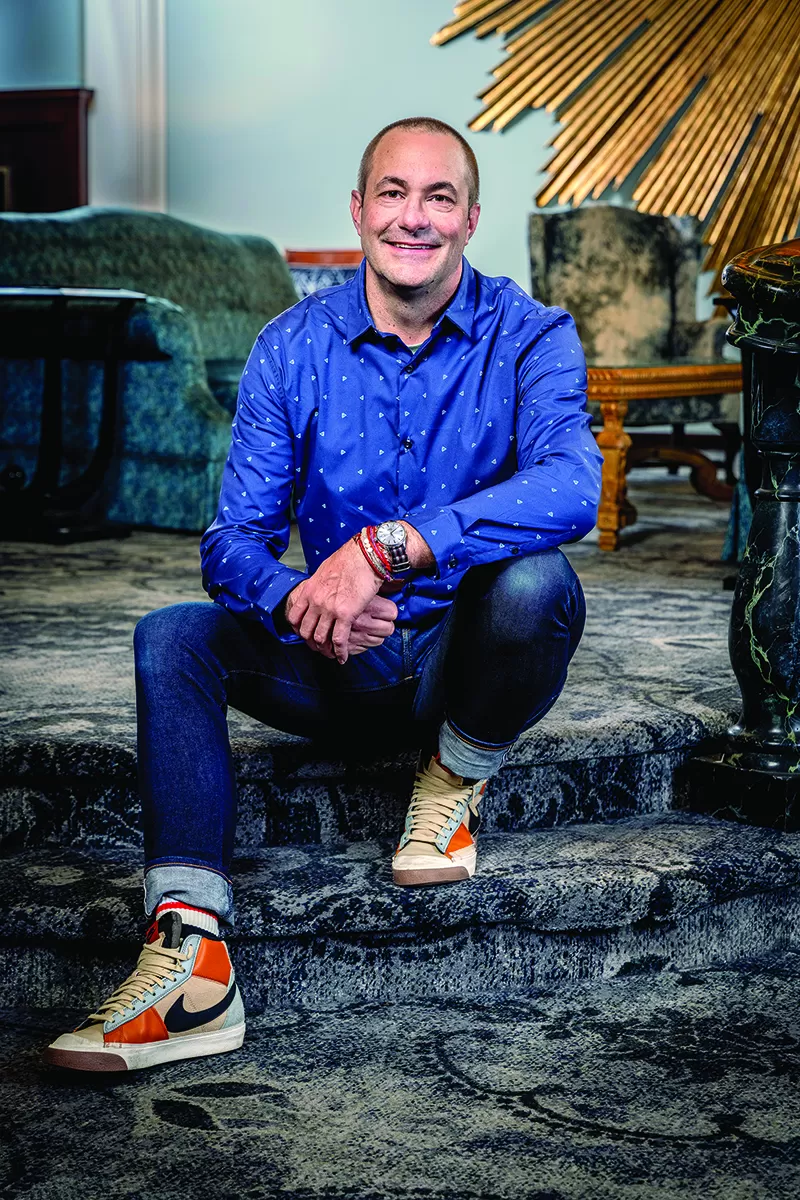
Pictured: Jeff Klymson, OAA, AIA, NCARB | Photography: Michael Buck, M-Buck Studio, LLC
Jeff Klymson, OAA, AIA, NCARB, has been driven by the rigorous, creative pursuit of design his entire life. As the Founding Principal of Collective Office in Chicago, he is process-driven and detail-oriented, leading a team of architects and designers who are strategists and solution-seekers, storytellers at heart who are committed to a singular belief that a well-designed space can change lives. He is an educator and an author, and as a professional has designed over 300 projects across North America in residential, retail, workplace, and industrial sectors. For Klymson, whose practice initially began in Toronto before relocating to Chicago, his own path toward architecture began in a small town just east of Vancouver, Canada.
John Allegretti, FAIA, LEED AP BD+C, has spent over 50 years of his architectural career dedicated to service. His work, informed by the organic architecture of his mentor E. Fay Jones, like that of Frank Lloyd Wright before him, reflects fundamental design elements that harmonize with nature—natural materials, craftsmanship, and a sense of intimacy and tranquility. Structures are elevated as spaces imbued with a spiritual connection, and homes become places that uplift the human spirit. For Allegretti, who is passionate about creating places of shelter and of harmony, it is important that structures don’t sacrifice quality, sustainability, or craftsmanship in his pursuit to deliver work for clients that ultimately improve quality of life.
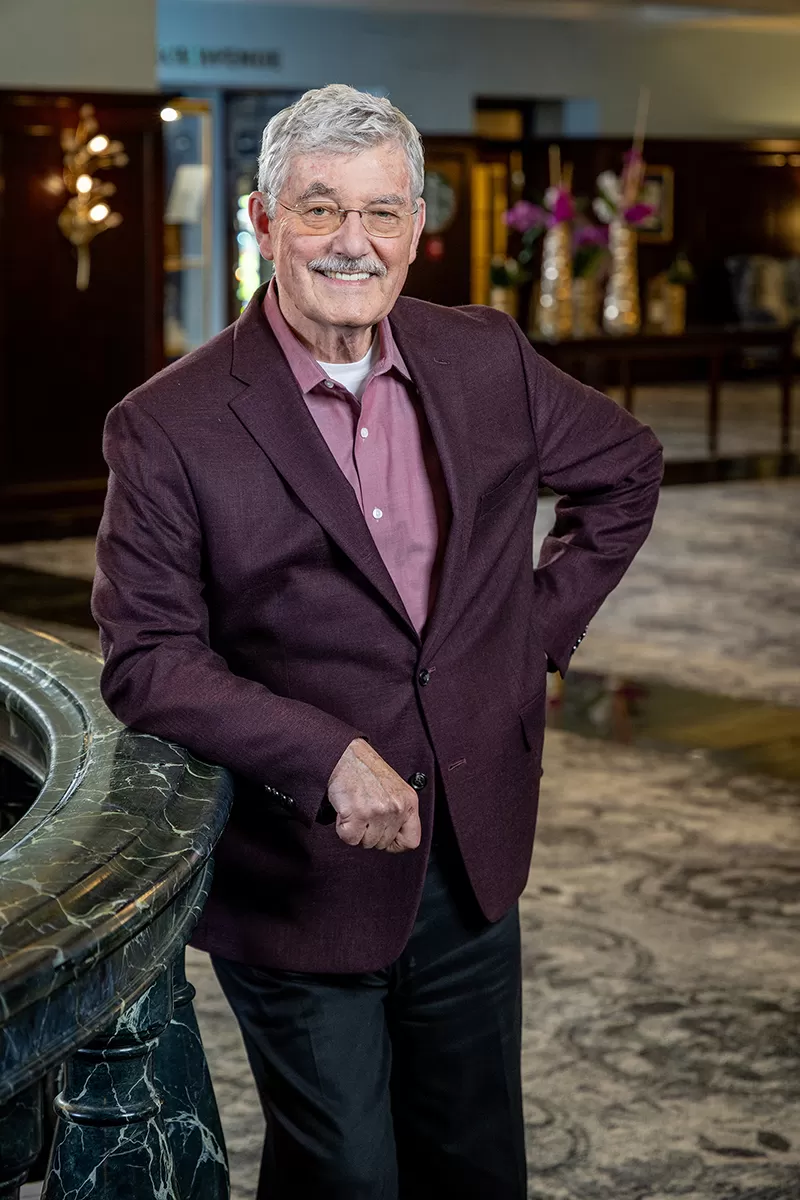
Pictured: John Allegretti, FAIA, LEED AP BD+C | Photography: Michael Buck, M-Buck Studio, LLC
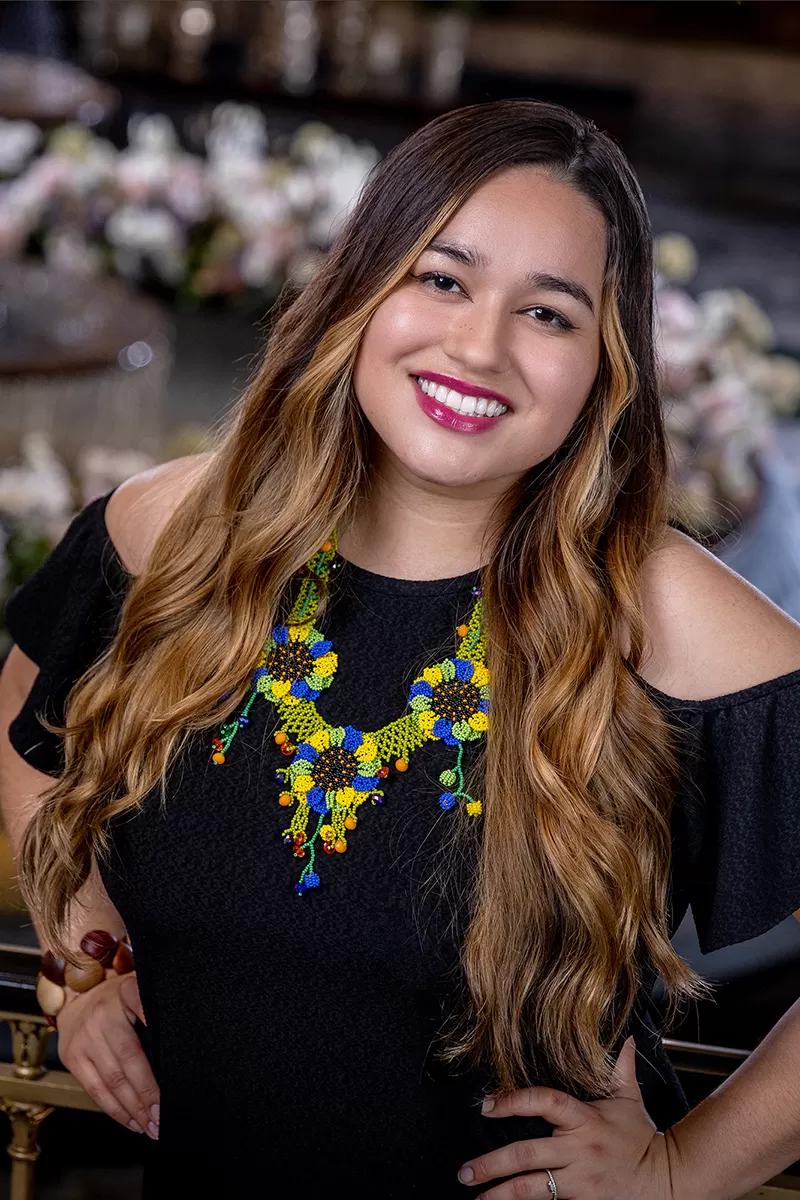
Pictured: Nadine Rios-Rivas | Photography: Michael Buck, M-Buck Studio, LLC
For Nadine Rios-Rivas, there is magic in the design and process of place. It is in the intentionality of iconography, in the expression of materials, and in the ability to harness readability and purpose of a project through architectural language that communicates the spirit of a building. She believes in the power of design, but to her it is less about the style or the prominence of a building and more about the collective wisdom that is shared when going into a project ready to learn, where the community is invited to engage in dialogue with designers early in the process.
First published in The Architects, Great Lakes By Design: Architectonics